
The Vanishing Judge: Joseph Force Crater and His Mysterious Maine Connection
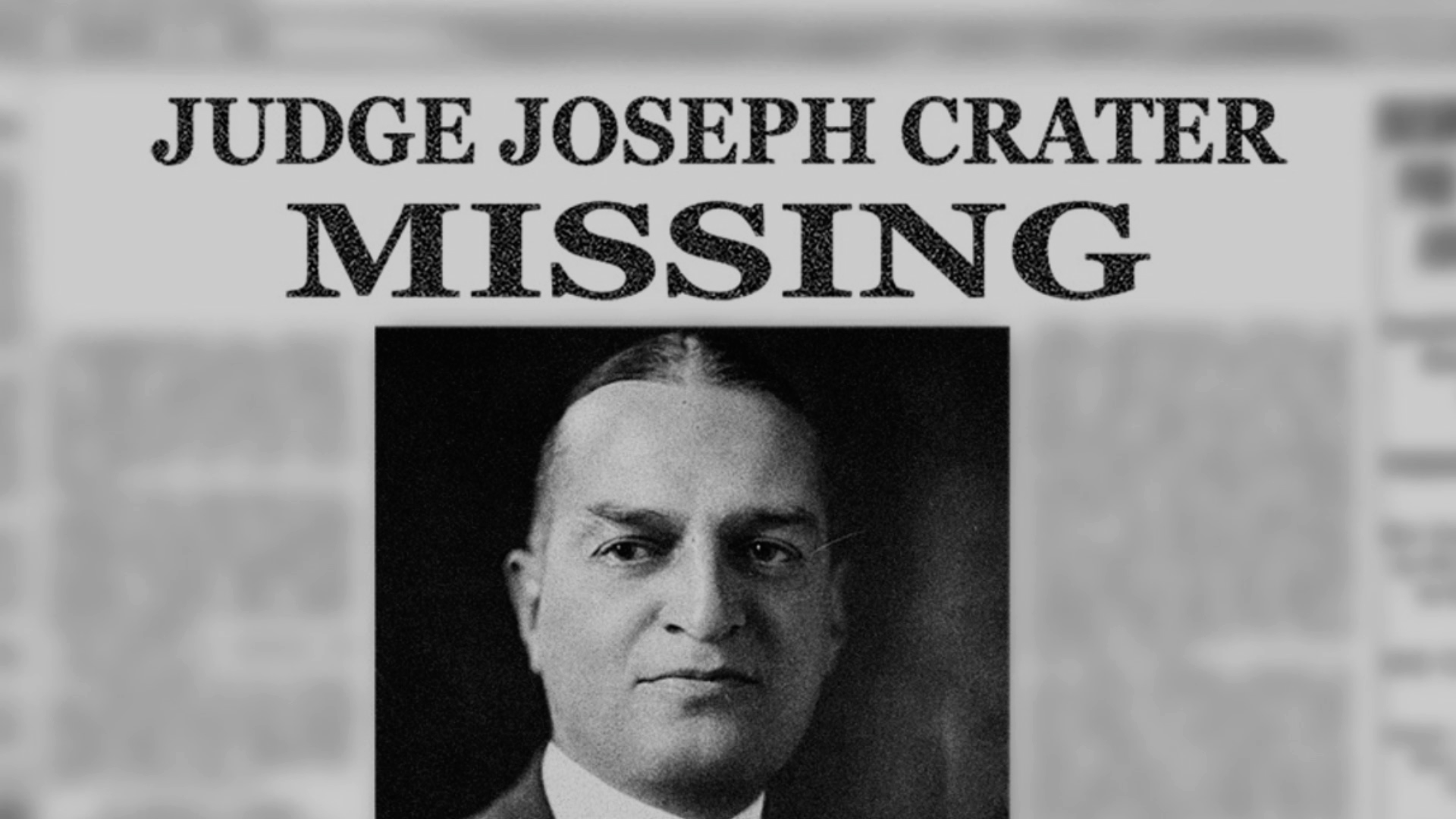
On a warm summer evening—August 6, 1930—Judge Joseph Force Crater, a rising star in New York’s legal and political circles, stepped into a taxi on West 45th Street in Manhattan and vanished without a trace. The newly appointed New York Supreme Court Justice, known for his charm, ambition, and connections to both the law and the world of Broadway, was never seen again.
That moment sparked one of the most baffling and far-reaching missing persons cases in American history. And though his disappearance is rooted in the heart of Manhattan, the story winds its way north—to the quiet shores of Great Pond.
A Judge, a Cottage and an Ominous Departure
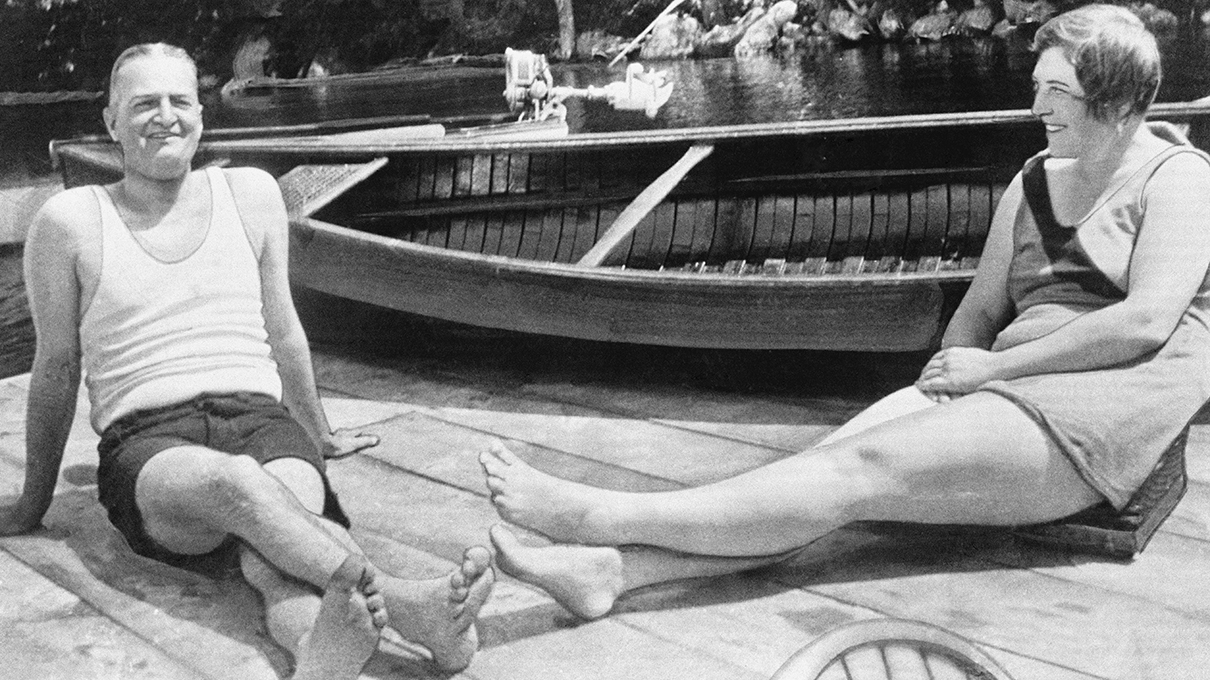
Crater had been vacationing in Belgrade during the summer of 1930, seeking respite from city life at a lakefront cottage. Belgrade, then as now, was a sanctuary—a place of still waters, pine trees, and summer solitude. Locals remember a man who appeared anxious during his final days at the lake. He cut his trip short, telling his wife and friends he had urgent business back in New York. Just days later, he vanished into history.
His abrupt departure from Maine left behind more questions than answers. Did he know something was coming? Was Belgrade a last attempt at peace—or a temporary hiding place?
A Scandal with National Reverberations
In the months that followed, the New York Police Department’s Missing Persons Bureau launched a full-scale investigation. Despite a decades-long international manhunt and sensational media coverage, no trace of Judge Crater was ever found.
As the search intensified, evidence began to surface implicating some of the most powerful figures of the day. Allegations of corruption spread to then-Governor Franklin D. Roosevelt, Mayor Jimmy Walker, Tammany Hall’s political machine, and a swath of lawyers, judges, and theater moguls.
Investigative journalist and author Robert Riegel, drawing on long-overlooked NYPD case files and newly discovered court records, later pieced together the fragments of Crater’s story. His findings suggest a complex web of political intrigue, betrayal, and perhaps calculated silence. Crater, it seemed, had wandered too close to a toxic blend of politics and power in a city teetering on the edge of collapse.
From the Roaring Twenties to a Nation in Despair
Crater’s life—and disappearance—reflects the duality of the age: the glitz and glamour of the Roaring Twenties, and the creeping darkness of the Great Depression. His vanishing became a symbol of a larger unraveling—the erosion of public trust, the decline of old political orders, and the transformation of New York City into the modern metropolis we know today.
In this light, Crater’s disappearance becomes more than a cold case; it becomes a cultural parable. The judge who rubbed shoulders with gangsters, Broadway stars, and presidents became the emblem of a city—and an era—losing its way.
Belgrade’s Quiet Role in a National Mystery
Though the headlines belong to New York, Belgrade, Maine, played its own quiet part in the Judge Crater saga. His time here—his final known retreat—anchors the story in our community’s history. Locals continue to tell stories of the judge at the lake, his sudden departure and the questions that followed.
Could the woods and waters of Belgrade still hold clues to America’s most famous missing person? Probably not. But as a footnote in this enduring mystery, Belgrade offers a window into the man behind the myth—a reminder that even the most powerful figures sometimes seek refuge in the humblest places.
Do you have stories or family recollections of Judge Crater’s time in Belgrade?
The Belgrade Historical Society welcomes your memories as we continue preserving our town’s unique place in American history.